Breaking FAFSA Barriers: Human-Centered Design Transforms Financial Aid Accessibility
The Free Application for Federal Student Aid (FAFSA) opens the door to college financial assistance from federal, state, and institutional sources. Our research identified how vulnerable student populations struggle to complete this critical application. We employed human-centered design methods to understand these “Edge of FAFSA” students and developed targeted interventions to improve their access to financial aid. This initiative directly supports the Department of Education’s mission to expand educational opportunities for all Americans.
Problem Statement: Addressing FAFSA Edge Cases
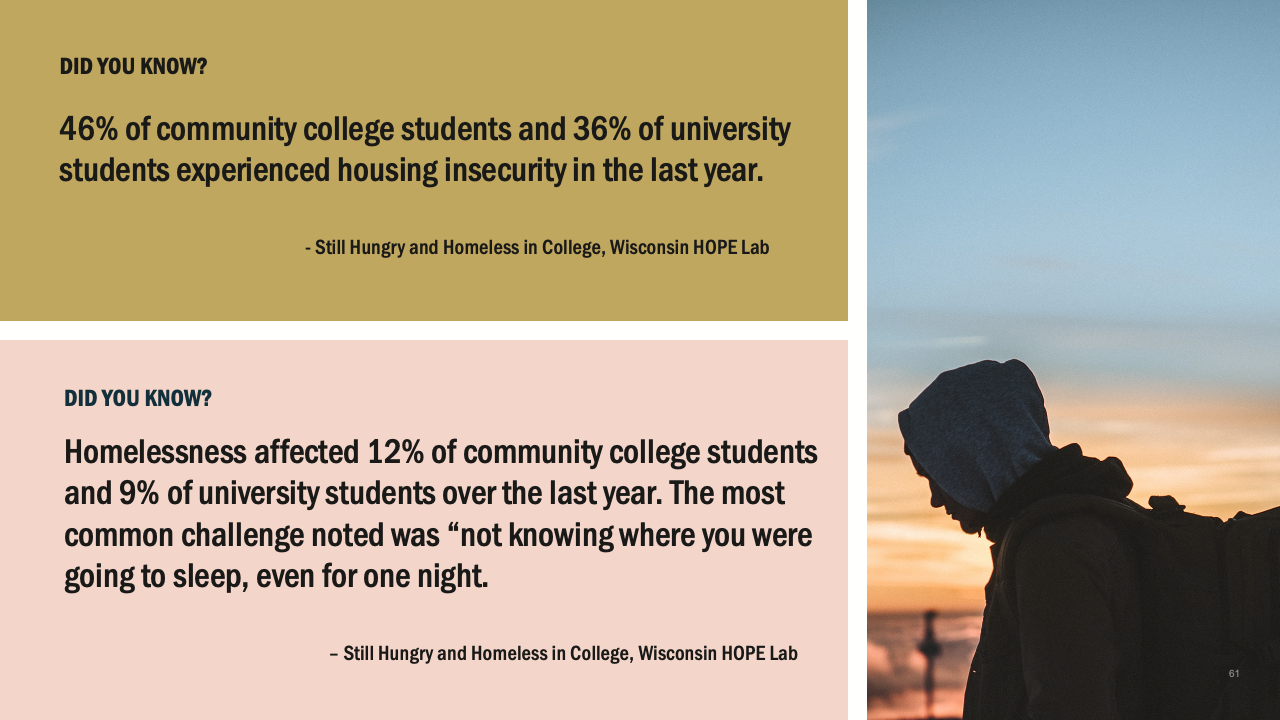
Completing the FAFSA determines whether many students can afford college. However, specific populations—homeless students, first-generation college students, children of undocumented workers, and students lacking access to college counseling—face substantial obstacles when navigating this process. Ironically, these students often qualify most for federal aid yet encounter the greatest barriers.
The Free Application for Federal Student Aid (FAFSA) opens the door to college financial assistance from federal, state, and institutional sources. Our research identified how vulnerable student populations struggle to complete this critical application. We employed human-centered design methods to understand these “Edge of FAFSA” students and developed targeted interventions to improve their access to financial aid. This initiative directly supports the Department of Education’s mission to expand educational opportunities for all Americans.
Problem Statement: Addressing FAFSA Edge Cases
Completing the FAFSA determines whether many students can afford college. However, specific populations—homeless students, first-generation college students, children of undocumented workers, and students lacking access to college counseling—face substantial obstacles when navigating this process. Ironically, these students often qualify most for federal aid yet encounter the greatest barriers.
Key Findings: Customer Mindset Framework
Our research revealed that student borrowers operate within four distinct mindsets based on their levels of drive and accessibility to resources:
- Surrendered Students: Exhibit low drive and accessibility, requiring proactive outreach and simplified resources to make informed decisions.
- Unconcerned Students: Demonstrate low drive but high resource accessibility, benefiting from targeted guidance to optimize their financial aid decisions.
- Resourceful Students: Show high drive but low accessibility, necessitating clear information about borrowing implications as they actively seek solutions.
- Determined Students: Display high drive and accessibility, using knowledge as their key tool to navigate financial aid options effectively.
A critical discovery revealed widespread misunderstanding about FAFSA’s role. Many potential applicants—particularly those who might qualify for Pell Grants or lack formal support systems—don’t apply because they don’t recognize FAFSA as the gateway to various forms of aid, including grants, loans, work-study opportunities, and merit-based, state, and institutional scholarships.


Solution Strategy: Targeted Interventions
By mapping customer journeys for each mindset, we identified strategic intervention points where the Office of Federal Student Aid can maximize impact. These interventions include:
- Simplified Communication: Redesigning outreach materials to clearly explain the full range of aid available through FAFSA
- Community Partnerships: Strengthening relationships with libraries, community organizations, and schools to support students lacking traditional guidance
- Process Streamlining: Identifying and eliminating unnecessary friction points in the application process
- Personalized Guidance: Creating tailored support paths based on the applicant mindset and circumstances


Impact
Our solutions aim to achieve measurable outcomes:
- Increase FAFSA completion rates among Pell-eligible students by 15%
- Boost application rates from students without strong support networks by 20%
- Convert 25% more “unlikely applicants” into successful FAFSA completers
Key Insights for Future Work
This research yielded valuable lessons that will guide ongoing improvements:
- Contextual Research Matters: Observing users during actual FAFSA completion reveals specific error contexts and frustration points that interviews alone cannot capture.
- Community Support Is Essential: Third-party resources—libraries, guidance counselors, and college access organizations—form a critical support network for edge communities pursuing financial aid.
- Mindset-Based Interventions Work: Mapping customer journeys for each mindset enables precise interventions targeting moments of highest impact and receptivity.
Our human-centered approach transforms abstract policy goals into concrete solutions that directly address the needs of those students who stand to benefit most from federal financial aid.