
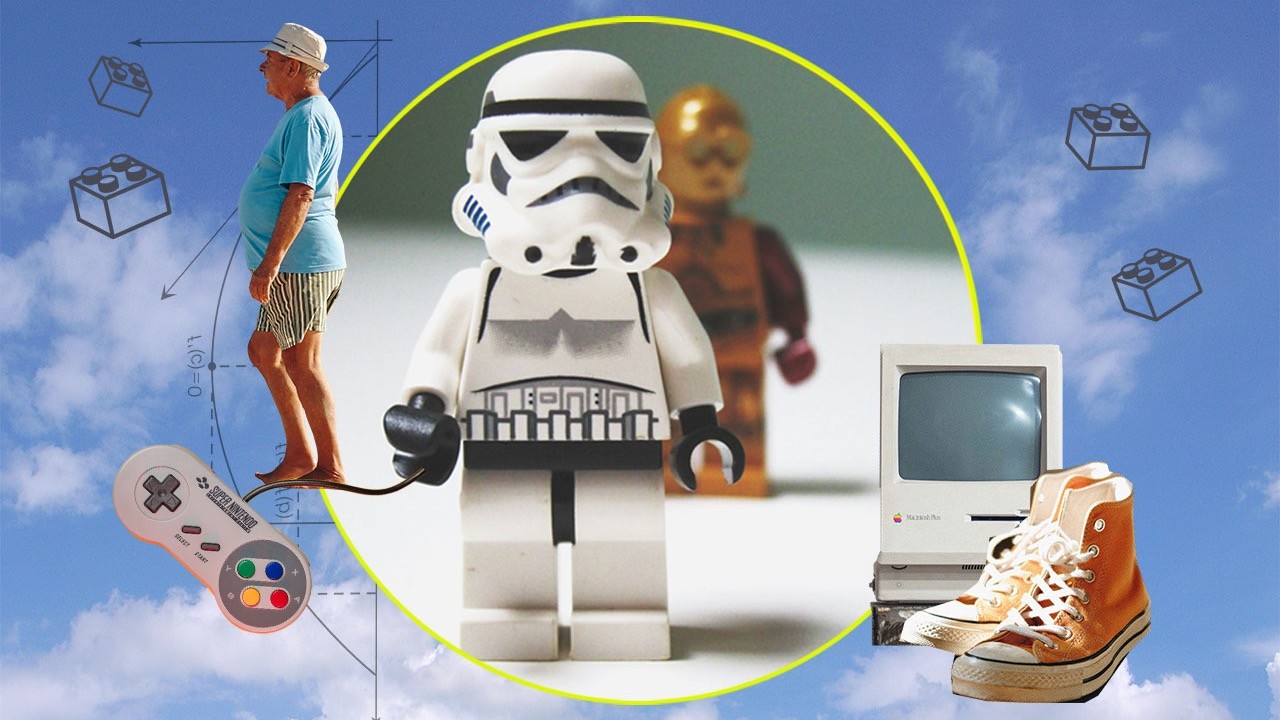
What LEGO’s Building Blocks Reveal About Digital Logic in Business
While tech companies chase the next digital breakthrough, LEGO has quietly mastered digital logic using plastic bricks from the 1950s.
Do you think you understand what “digital” means in business? LEGO might change your mind. While most companies view digital transformation as moving from physical to virtual spaces, LEGO reveals a more profound truth: digital systems are fundamentally about structured, modular interactions following defined rules.
The Hidden Digital Nature of LEGO
LEGO’s genius isn’t in combining physical and digital experiences; its core system already operates on digital principles. Each brick functions like a discrete data point or piece of code, with the stud-and-tube connection system creating fixed, defined relationships between pieces. Unlike free-form materials like clay, LEGO enforces specific rules of interaction. Yet, within these constraints, builders can create infinite possibilities. Sound familiar? That’s precisely how digital systems work – rigid underlying logic enabling creative outputs.
Three Core Principles for Business Leaders
Understanding LEGO’s “analog digitality” offers three essential insights for modern business:
First, digital transformation isn’t about moving operations online – it’s about creating structured, modular systems that can extend naturally across any medium. When you build systems with digital logic at their core, they translate seamlessly between physical and virtual spaces.
Second, constraints breed creativity. LEGO’s success proves that clear rules and connections don’t limit innovation; they enable it. Your business systems should define interaction points that foster creativity rather than restrict it.
Third, true digital thinking starts with identifying your fundamental building blocks and understanding how they connect. As LEGO’s simple brick system enables complex creations, your business processes should be built from well-defined, modular components.
Putting It Into Practice
LEGO demonstrates these principles in action through its various platforms. LEGO Dimensions recognizes physical builds in digital environments because both follow the same structured logic. LEGO Worlds maintains real-world building physics in virtual space. Their transmedia adaptations succeed because LEGO’s core system translates naturally across formats.
Consider how this applies to your organization. A retail business might identify its core “bricks” as customer touchpoints, inventory units, and service modules. Software companies might find them in code components, user interface elements, and data structures. The key is recognizing that these elements should follow consistent rules of interaction, just like LEGO bricks.
The Path Forward
Start by examining your organization through LEGO’s lens. What are your fundamental building blocks? What rules govern their interactions? How could these structured elements extend into new spaces? The answer often reveals that you already have digital systems hiding in plain sight – they just need to be recognized and refined.
LEGO’s success comes from understanding that digital isn’t a destination – it’s a way of thinking about how components interact. By applying this principle to your business, you can build systems that naturally span physical and digital realms, creating more resilient and adaptable organizations.
Your challenge is identifying one core process in your organization and mapping its building blocks and connection rules. Understanding these elements isn’t just about digital transformation‚—it’s about building more effective, extensible systems for the future.


